 comparison
Triple A Automotive Alternatives: 2026 Comparison
Table of Contents
- Why Vehicle Owners Choose Automotive Alternatives
- Roadside Assistance Alternatives to AAA
- How to Compare Auto Repair Estimates
- Questions to Ask an Auto Mechanic
- Factory-Scheduled Vehicle Maintenance and Digital Vehicle Inspection
- Choosing the Right Automotive Alternative for Your Needs
- Frequently Asked Questions
Last Updated: October 21, 2026
Why Vehicle Owners Choose Automotive Alternatives
When your car breaks down on the highway, you need help fast.
Roadside assistance membership isn't one-size-fits-all. Some drivers want unlimited towing to any repair facility they choose; others prioritize coverage that integrates with their auto insurance. That's why evaluating automotive alternatives to AAA has become essential.
The best choice depends on your driving habits, vehicle type, and what you value most: speed, transparency, or long-term reliability.
Roadside Assistance Alternatives to AAA
The automotive alternatives landscape has expanded significantly, from specialized roadside assistance clubs to coverage bundled with your auto insurance policy. Most comparisons stop at brand names, but what determines whether an alternative is cheaper or better is the fine print: towing distance, service calls per year, vehicle eligibility, waiting periods, and exclusions. The breakdown below covers those mechanics so you can compare plans on equal terms.
Good Sam Roadside Assistance
Good Sam stands out for drivers who want unlimited towing to the nearest repair facility of their choice.
The membership includes spouse coverage as standard, protecting both drivers in your household under a single plan.
Good Sam's key difference from traditional roadside assistance is flexibility in where your vehicle gets towed. You're not forced to use a network repair facility; you control the destination, which is particularly valuable if you have a trusted mechanic.
Better World Club
Better World Club positions itself as a values-driven alternative, with membership starting at the lower end of the roadside assistance spectrum.
The club publishes transparent comparisons with traditional roadside assistance and extends that transparency to coverage details and service terms.
Better World Club appeals to drivers who want straightforward roadside assistance without unnecessary add-ons. If you mainly need battery jumps, lockouts, and fuel delivery rather than extensive towing, this option delivers focused protection at competitive pricing.
Insurance-Based Roadside Assistance
Many drivers overlook an obvious alternative: roadside assistance built into their auto insurance policy. State Farm, GEICO, and other major insurers offer it as an optional add-on to existing coverage.
The advantage is consolidation: rather than maintaining a separate membership, your roadside assistance integrates with your insurance claim history and billing.
The trade-off is less flexibility. Insurance-based roadside assistance typically works through approved networks, and towing distances may be capped.
What to Compare Before You Choose
Brand names tell you little. The terms below separate a plan that saves you money from one that leaves you paying out of pocket at the tow lot. Pull the current plan documents for any option you're considering and fill in each row.
| Term | Why It Matters | What to Check |
|---|---|---|
| Towing distance | A 5-mile cap can leave you paying per-mile overage on a 30-mile tow | Miles included, per-mile overage rate, and whether the cap resets per call or per year |
| Service calls per year | Unlimited sounds generous until you read the cap | Number of calls included and whether unused calls roll over |
| Vehicle eligibility | Older, modified, or commercial vehicles are often excluded | Model-year cutoffs, mileage limits, and whether RVs, motorcycles, and hybrids are covered |
| Waiting period | New memberships often don't cover pre-existing problems | Days before coverage begins and whether the first call is excluded |
| Exclusions | The list is usually longer than the benefits list | Accidents, off-road recovery, winching, and whether you must be with the vehicle |
| Reimbursement vs. dispatch | Some plans pay you back instead of sending a truck | Whether you call the plan's dispatch or pay and file a claim |
Two patterns are worth flagging. Many plans advertise "unlimited" towing but limit the number of tows per year, so read the call cap before the distance cap.
How to Compare Auto Repair Estimates
Once roadside assistance gets you to a repair facility, the next critical step is evaluating repair estimates.
A solid estimate should include three components: the specific parts needed, labor hours at the shop's standard rate, and a clear description of the work.
Compare estimates from at least two repair facilities when possible. This isn't about finding the cheapest option; it's about understanding the range of what shops believe your vehicle needs.
| Estimate Component | What to Look For | Red Flag |
|---|---|---|
| Parts list | Specific part names and quantities | Generic descriptions like "misc. parts" |
| Labor | Hourly rate and estimated hours | Unclear or unusually high hours for the job |
| Work description | Detailed explanation of what's wrong | Vague language or pressure to decide quickly |
| Warranty | Written guarantee on parts and labor | No warranty offered or verbal-only promises |
Transparency matters enormously when evaluating estimates.
Questions to Ask an Auto Mechanic
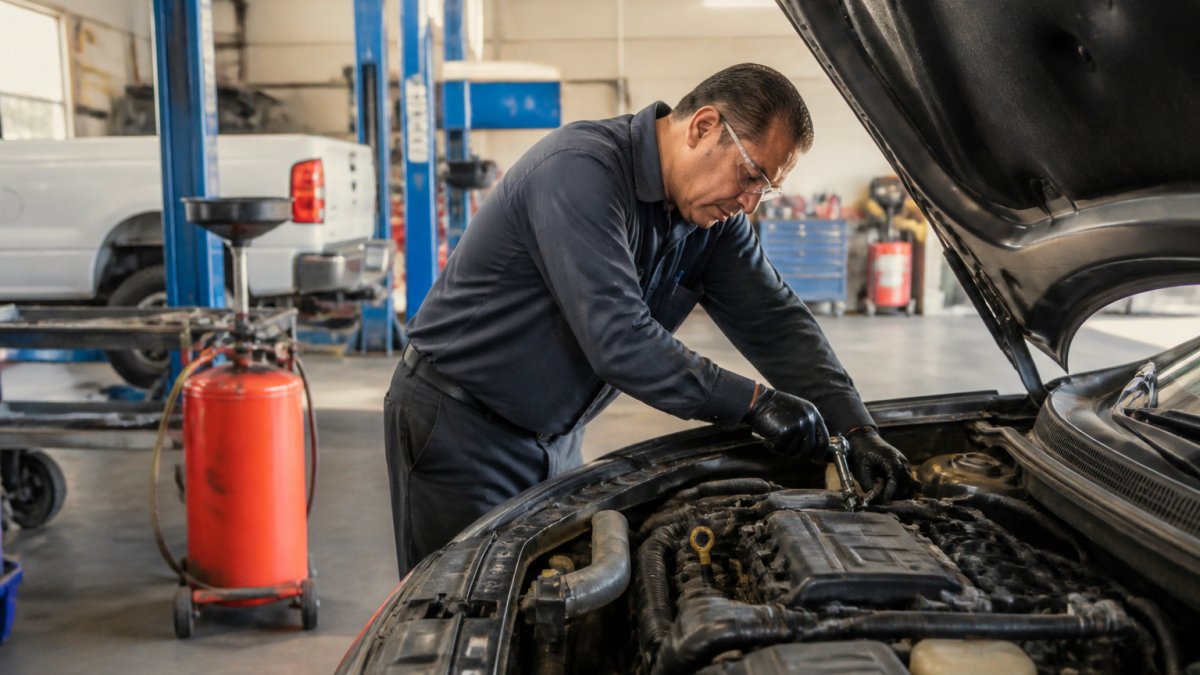
The conversation you have with your mechanic before authorizing work shapes your entire experience.
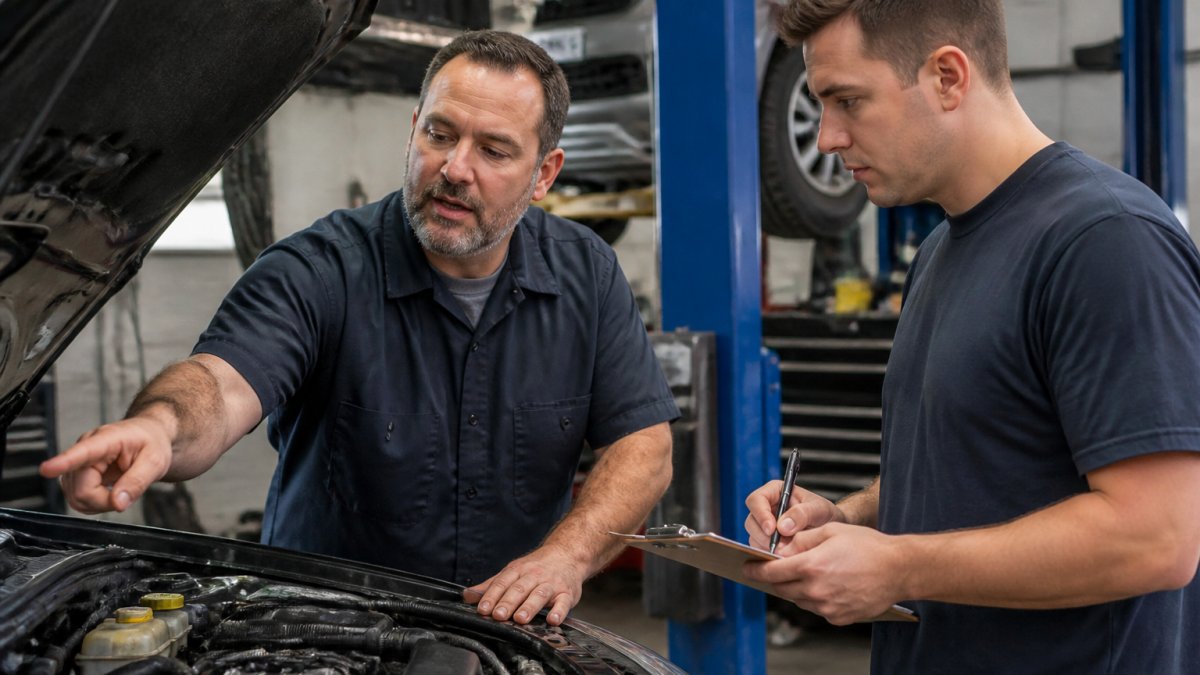
Start by asking what problem the mechanic actually found.
Next, ask about alternatives. For many repairs, multiple approaches exist.
Ask about the warranty on the work.
Finally, ask about the timeline. Can the work be done today, or does it require ordering parts? Will you need a loaner vehicle?
Factory-Scheduled Vehicle Maintenance and Digital Vehicle Inspection
Your vehicle's manufacturer provides a maintenance schedule for a reason: it keeps your car running reliably and preserves resale value. Following factory-scheduled maintenance isn't optional if you want long-term dependability.
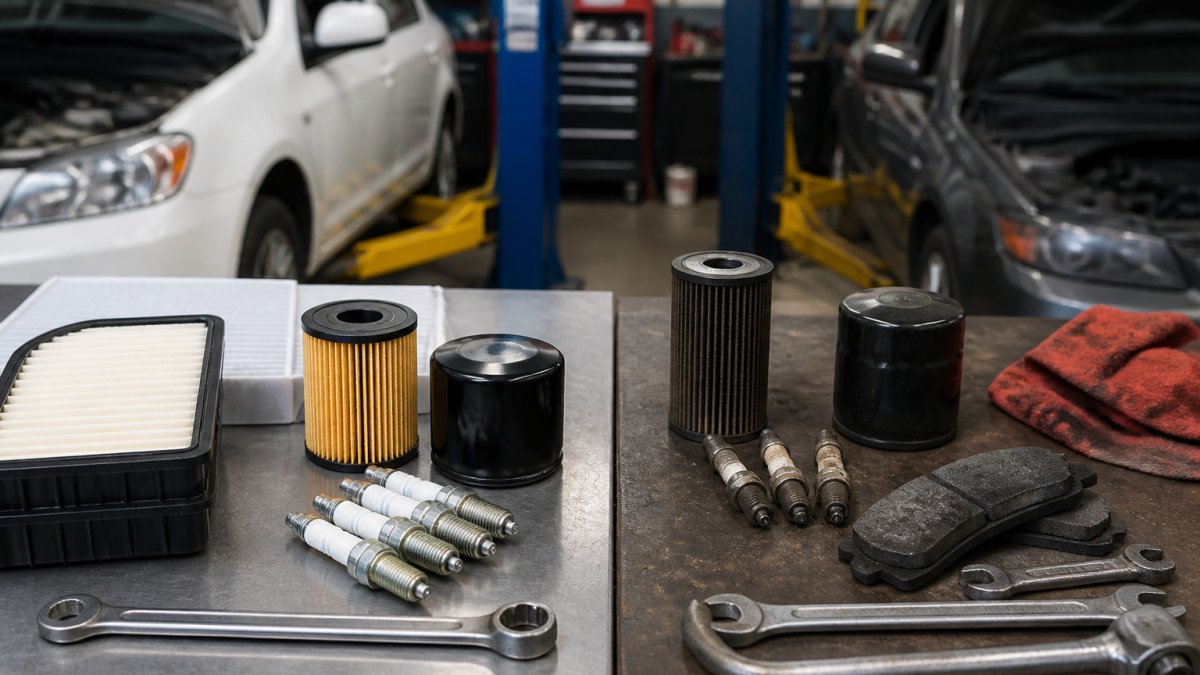
Factory schedules typically include oil changes at specific intervals, fluid checks, filter replacements, and system inspections. These aren't suggestions; they're engineered requirements. Skipping scheduled maintenance voids warranties and accelerates wear on critical components.
The Role of Digital Vehicle Inspection in Transparency
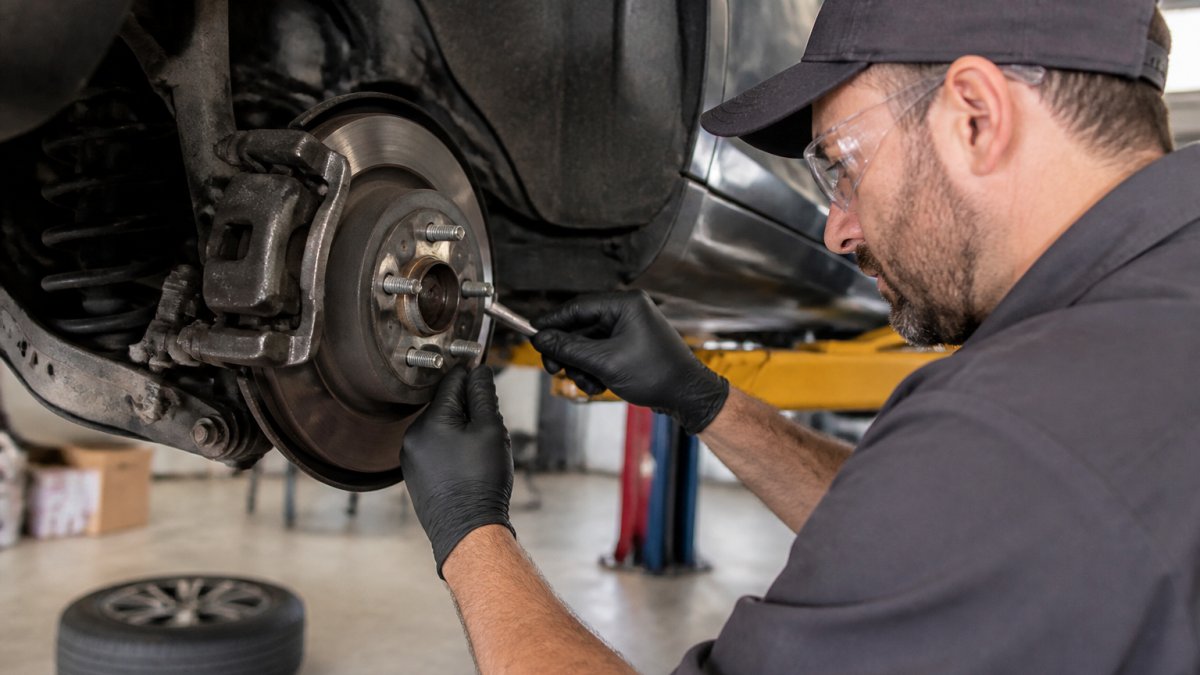
Digital vehicle inspection technology has transformed how repair shops communicate with customers. Instead of a mechanic describing a worn brake pad over the phone, you see a photograph.
This transparency builds trust.
Digital inspections also create accountability. A shop that documents its findings with photographs stands behind its recommendations, and if a repair later proves unnecessary, you have evidence of what the shop actually found.
Choosing the Right Automotive Alternative for Your Needs
Most comparisons end with a list of questions. A decision framework is more useful: it turns those questions into a short sequence that points to one option and tells you when to stop shopping. It also covers the step almost every comparison skips: checking whether you already have roadside coverage you're paying for twice.
Step 1: Check for Duplicate Coverage First
Before you buy anything, inventory the coverage you already have. Roadside assistance is frequently bundled into products people forget they own, and paying for a standalone membership on top of an existing benefit is the most common waste in this category.
- Auto insurance policy. Log in to your insurer's portal and look for a roadside assistance endorsement or add-on. It is often a few dollars per policy period and easy to miss on a renewal declaration page.
- Credit cards. Many rewards and travel cards include roadside dispatch as a card benefit, usually with a per-use fee rather than an annual membership. Check the benefits guide that came with the card, not the rewards summary.
- Vehicle warranty or certified pre-owned plan. Some manufacturer warranties and CPO programs include roadside assistance for the warranty term. Check the booklet that came with the vehicle.
If you find coverage, read its towing cap and call limit before deciding it is enough. A card benefit that dispatches a truck but caps towing at a short distance may still leave you paying for the long tow.
Step 2: Match the Plan to Your Driving Profile
The right plan depends less on brand preference than on how you drive. Use the profiles below to narrow the field, then confirm the terms in the plan document.
| Driver Profile | What Matters Most | Plan Type That Fits |
|---|---|---|
| Daily commuter, local driving, trusted shop nearby | Low annual cost and the ability to tow to your own mechanic | Basic club membership or insurance add-on with a shop-of-choice provision |
| Long-distance commuter or frequent road-tripper | Unlimited or high-mile towing and nationwide dispatch | Club plan with unlimited towing distance |
| Two-driver or multi-vehicle household | Spouse or household coverage under one plan | Club plan that includes spouse coverage as standard |
| Hybrid or EV owner | Dispatch to a shop with high-voltage system experience | Plan that lets you name the destination shop |
| Occasional driver, low annual mileage | Paying only when you need service | Pay-per-use card benefit or insurance add-on |
| RV, motorcycle, or trailer owner | Vehicle-class eligibility and specialized towing equipment | Plan tier that explicitly covers the vehicle class |
Step 3: Decide Between Membership and Pay-Per-Use
A membership makes sense when you expect to use the service more than once every year or two, want a predictable annual cost, and the plan's towing distance covers your typical trip.
A simple way to decide: estimate the service calls you've needed in the past three years, multiply by the per-call cost of a pay-per-use option, and compare that to the annual membership fee.
Step 4: Confirm the Destination Shop Before You Need It
Roadside assistance only solves half the problem; the other half is where the vehicle ends up. Before committing to a plan, confirm it lets you direct the tow to the shop of your choice and that the shop can handle your vehicle type. Hybrid owners in particular need a shop with high-voltage battery and electrical system experience, which a generic network facility may lack.
Step 5: Recheck the Plan Every Renewal
Coverage terms change: insurers add and remove endorsements, clubs adjust towing caps, and card benefits are renegotiated. At each renewal, confirm the towing distance, the number of service calls, and whether your vehicle is still eligible. If any changed, rerun the comparison rather than renewing on autopilot.
Choosing an automotive alternative to AAA doesn't mean sacrificing quality or reliability. It means being intentional about what coverage actually serves your needs.
Frequently Asked Questions
What coverage should I expect from automotive alternatives to AAA?
Roadside assistance alternatives typically cover towing to a repair facility, battery jump-start service, flat-tire assistance, lockout service, and fuel delivery. Coverage limits vary by plan, some offer unlimited towing to the nearest shop, while others cap tow distance at 50 or 100 miles. Review each provider's coverage limits and exclusions carefully before choosing a membership to ensure it matches your vehicle needs and driving patterns.
How do I compare auto repair estimates from different mechanics?
Request written estimates from at least two shops that detail the specific work, parts, labor hours, and total cost. Ask each mechanic to explain what's included and what isn't. Compare not just price but also warranty terms, parts quality, and the mechanic's experience with your vehicle type. Digital vehicle inspections with photo evidence help you verify that recommended work is actually necessary before authorizing repairs.
What questions should I ask an auto mechanic before authorizing work?
Ask why the repair is necessary, what happens if you delay it, how long the work takes, what warranty covers the repair, and whether they use OEM or aftermarket parts. Request photos or video evidence of the problem. Ask about payment options and if they offer after-hours drop-off. Understanding the mechanic's answers helps you avoid unnecessary work and ensures you're making informed decisions about your vehicle's maintenance.
Can an independent mechanic perform factory-scheduled vehicle maintenance?
Yes. Independent mechanics and NAPA Auto Care Centers can perform factory-scheduled maintenance using professional-grade, shop-sourced parts that meet manufacturer specifications. This alternative to dealership service maintains your vehicle's safety and reliability. Verify that your chosen shop has experience with your vehicle's make and model, especially for specialized systems like hybrid batteries or advanced diagnostics.
How does digital vehicle inspection help me evaluate whether repairs are necessary?
Digital vehicle inspections use photos and detailed reports to show you exactly what the mechanic found and why work is recommended. This transparency eliminates guesswork and helps you understand the condition of your vehicle. You can review the evidence at your own pace and make informed decisions about which repairs to authorize now and which to schedule later.